
How to use WordPress do_shortcode
Extending site functionality is easy with the help of shortcodes. To place them on any part of your website, you ...
How to change WordPress URL in database: A MySQL tutorial using phpMyAdmin
WordPress relies on the MySQL database to store its data, including site URLs. If you ever need to change your ...
How to create a WordPress theme: 6-step process with code
While you can always install a pre-made WordPress theme, creating a custom one makes your website more unique.With a custom ...
WordPress REST API guide: understand how to set it up and use it
WordPress REST API is an interface that enables the content management system (CMS) to exchange data with third-party services. It ...
How to become a WordPress developer in 2026
WordPress is the most popular content management system. So, there will always be users looking for developers to help enhance ...
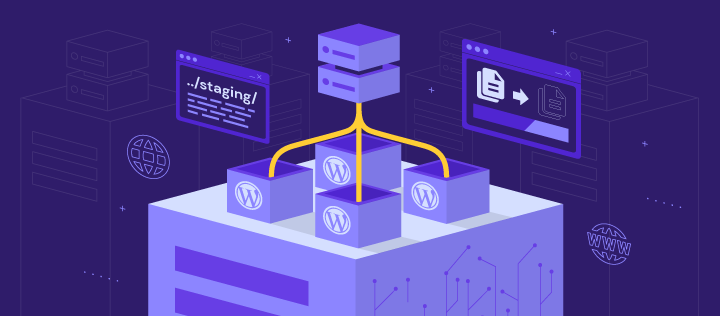
How to create a WordPress staging site using hPanel, A plugin, and a subdomain
WordPress websites have a significant advantage – the possibility of creating a staging site for testing changes and updates before ...
What is WordPress Heartbeat API and how to manage it
In 2013, WordPress introduced Heartbeat API – a feature that allows your browser to communicate automatically with the server. However, ...

How to find WordPress post ID and page ID
Every WordPress post or page has a unique number called an ID. It functions as an identifier for each piece ...
What are WordPress hooks? How to use them and practical examples
WordPress hooks can help you reach your business goals by expanding your website’s capabilities. Hooks allow you to interact and ...