How to make money from social media
Mar 12, 2026
/
Alma
/
11 min Read

Making money from social media means turning your online presence into revenue through different monetization models. People do this either actively – through services, sponsorships, brand partnerships, and consulting – or passively through ads, affiliate marketing, and digital products such as templates or courses.
But social media income rarely happens overnight. It takes time, consistent posting, and content that people actually want to save or share.
To learn how to make money from social media, follow a simple process: choose a focused niche, select the platforms where your audience spends time, create valuable content consistently, grow an engaged audience, and begin earning through sponsorships, affiliate marketing, or your own products.
1. Choose a profitable niche
Choosing a profitable niche helps you grow faster and attract followers who are more likely to buy from you. When you focus on a clear topic, social media platforms can better understand your content and recommend it to the right audience.
To find a niche that can actually generate income, evaluate three factors: demand, revenue potential, and competition.
Demand. Search your topic on YouTube, Instagram, or LinkedIn and check whether multiple creators already attract large audiences. In India, niches such as personal finance, tech reviews, exam preparation, fitness, and food content consistently attract millions of views. If several channels already have 50,000+ followers, it usually means the audience exists.
Revenue potential. A niche becomes profitable when brands, affiliate programs, or digital products already exist in that category. For example, tech creators can promote gadgets through Amazon India or Flipkart affiliate programs, while fitness creators often sell workout plans or collaborate with supplement brands. If companies are promoting products or services in that niche, it’s a good sign that there are ways to make money online from it.
Competition. Broad niches like “fitness” or “travel” are highly competitive. A focused sub-niche helps you stand out faster. For example:
- Fitness for busy professionals
- Budget travel in India
- Smartphone reviews under ₹30,000
- Study strategies for UPSC or SSC exams
- Home cooking for students and working professionals
These specific topics attract a clear audience, making it easier for brands to understand what you offer.
Before committing to a niche, test your idea with 5–10 pieces of content. Publish short videos or posts and pay attention to the comments and questions people ask. Audience feedback often reveals the problems they want solved and the products or services they would be willing to pay for.
Once you identify a niche that attracts engagement and has clear monetization opportunities, the next step is choosing the platform where your audience spends the most time.
2. Select the right social media platform
The best social media platform is the one where your audience already spends time and where the content format matches what you want to create. Different platforms attract different users and support different monetization methods, so choosing the right one directly affects how quickly you can start earning.
Here’s how the major platforms compare:
| Platform | Best for | Primary audience | Monetization strength |
|---|---|---|---|
| Reels, lifestyle content, product discovery | 18–35 age group | Brand collaborations, affiliate marketing, digital products | |
| YouTube | Tutorials, education, reviews | Search-driven learners | Ad revenue, sponsorships, affiliate income |
| Professional advice and business content | Entrepreneurs, freelancers, professionals | Consulting, coaching, B2B leads | |
| Community building and local audiences | 30–55 age group | Groups, services, marketplace sales | |
| Visual search and DIY content | Planners and shoppers | Affiliate traffic and blog traffic |
Audience demographics matter. A LinkedIn follower might be a business owner who can hire you for consulting or services, while someone watching entertainment clips may never become a paying customer.
For example:
- A tech reviewer on YouTube can earn from ad revenue, affiliate links to Amazon India or Flipkart, and brand sponsorships.
- A career coach on LinkedIn can generate consulting clients directly from posts.
- A food creator on Instagram can earn through brand deals, recipe ebooks, and restaurant collaborations.
Many creators in India also start with short-form video platforms like Instagram Reels or YouTube Shorts because they offer fast audience discovery and high organic reach.
However, growing on multiple platforms at the same time often slows progress. Focus on one primary platform for at least 3–6 months until you build a consistent posting rhythm and start attracting followers.
Once your content begins gaining traction, you can repurpose the same content across other platforms to reach new audiences without doubling your workload.
After choosing where to publish your content, the next step is learning how to create posts that consistently attract attention and engagement.
3. Create high-value content consistently
High-value content solves a problem, teaches a useful skill, or entertains your audience in a way that keeps them coming back. On social media, attention is the main currency, and creators earn it by posting content people want to save, share, or revisit later.
While viral posts can bring temporary spikes in views, consistent value is what builds a loyal audience that eventually becomes customers.
Pro Tip
On Instagram and TikTok, saves and shares carry far more algorithmic weight than likes. Before you hit publish, ask yourself: "Is this useful enough for someone to save for later?" If yes, you're creating exactly what the algorithm wants to push to new audiences.
A simple way to evaluate your content before publishing is to ask: “Is this useful enough for someone to save or share?” If the answer is yes, you are creating content that algorithms are more likely to promote.
In India, short-form video currently dominates discovery across platforms. Instagram Reels and YouTube Shorts help creators reach new audiences quickly, while longer formats such as YouTube videos, newsletters, or blog posts help build trust and authority.
Successful creators usually combine both formats:
- Short-form content (Reels, Shorts, clips) brings new followers.
- Long-form content (YouTube tutorials, guides, newsletters) builds deeper relationships with your audience.
When you tie these formats into a larger content marketing campaign, people stop seeing you as someone just posting for likes – they start seeing you as a trusted source of information who actually knows what they are talking about.
For example, a smartphone reviewer might publish a 30-second Reel about “Best phones under ₹30,000,” then link viewers to a longer YouTube review with detailed comparisons and affiliate links.
To make content creation easier, follow a simple three-part structure used by many successful creators:
- Hook. Capture attention in the first two seconds with a bold statement or question.
Example: “These three free apps can help you earn money online.” - Story. Explain the idea clearly and provide practical steps, examples, or insights.
- Call to action (CTA). Tell viewers exactly what to do next, such as saving the post, visiting your website, or downloading a resource.
Consistency is just as important as quality. Posting three to five times per week helps platforms understand your content and improves your chances of reaching new audiences.
Many creators stay consistent by batching their work. Instead of creating one post every day, record or write several pieces of content in one session and schedule them throughout the week.
Once you establish a reliable content system, the next step is making sure your posts reach the right people and turn viewers into an engaged audience.
4. Grow and engage your audience
Growing your social media followers organically comes down to four levers: discoverability, consistency, collaboration, and genuine engagement. You need all four working together, because relying on just one limits how much you can grow.
Lever | What to do | Why it works |
Discoverability | Include search keywords in your titles and use 3–5 relevant hashtags | Making your content easy to find ensures you show up in front of new people every single day. |
Consistency | Stick to a regular posting schedule and look at where people stop watching your videos. | Fixing the spots where people drop off keeps viewers on the platform longer, which helps the algorithm spread your posts. |
Collaborations | Partner with other creators who talk about topics similar to yours. | Working with others gets your name in front of a brand-new group of people who are already looking for your specific advice. |
Engagement | Reply to comments, ask questions in your captions, and talk to your active followers in DMs. | This kind of genuine community building turns a casual viewer into a loyal fan who trusts your recommendations. |
In India, collaborations are one of the fastest ways to grow. For example, a fitness creator might partner with a nutrition coach for a joint Instagram Reel, or a tech reviewer might collaborate with another YouTuber to compare smartphones under ₹30,000. This exposes both creators to a new but relevant audience.
Community interaction also plays a major role in audience loyalty. When creators actively respond to comments and messages, followers feel heard and are more likely to engage with future content.
To build deeper connections, many creators also create smaller communities outside social media feeds, such as:
- WhatsApp broadcast channels
- Telegram groups
- Private Discord communities
These spaces allow creators to share exclusive tips, answer questions, and strengthen relationships with their most loyal followers.
When analyzing engagement, focus on signals that indicate real interest in your content. Metrics like saves, shares, watch time, and comments usually matter more than likes because they show that people found your content genuinely valuable.
As your audience grows and begins to trust your expertise, the next step is deciding how to turn that trust into income through the right monetization model.
5. Choose a monetization model
Making money on social media works best when you combine several income streams instead of relying on a single source. Many creators begin earning with a small audience; accounts with 1,000-10,000 followers can already generate income if their content targets the right niche.
This happens because smaller communities often have greater trust, making followers more likely to buy products or services you recommend.
To help you decide which approach fits your audience, here are the most common monetization models used by creators:
- Affiliate marketing. Promote products using referral links and earn a commission for each sale generated through your content. Many creators in India use affiliate programs like Amazon Associates India, Flipkart Affiliate, Cuelinks, or EarnKaro. For example, a tech reviewer can recommend smartphones and link directly to product listings.
- Brand sponsorships. Companies pay creators to feature their products in posts, reels, or videos. In India, micro-influencers with 5,000–20,000 followers typically earn around ₹3,000–₹15,000 per sponsored post, while larger creators can earn ₹1,00,000 or more per campaign, depending on their niche and engagement.
- Selling digital products. Creating digital products provides strong long-term income potential because they can be sold repeatedly without additional production costs. Popular options include templates, online courses, presets, ebooks, and guides. For example, a social media creator might sell an Instagram growth guide for ₹ 499 or a content strategy course for ₹ 1,999.
- Ad revenue. Platforms like YouTube allow creators to earn money from advertisements shown on their videos. To qualify for the YouTube Partner Program, creators must reach 1,000 subscribers and 4,000 watch hours within the past 12 months. Ad revenue often becomes a meaningful income stream once a channel builds consistent traffic.
- Memberships and subscriptions. Some creators offer exclusive content or community access through paid memberships. This might include private Telegram groups, members-only tutorials, or live Q&A sessions. Even a small membership community can generate predictable revenue — for example, 100 members paying ₹299 per month creates ₹29,900 in recurring income.
- Consulting and services. Social media profiles can also function as a portfolio that attracts clients. Many creators use their content to promote services such as social media management, graphic design, photography, fitness coaching, or business consulting. This model works even with smaller audiences if your content demonstrates real expertise.
Most successful creators combine affiliate marketing, digital products, and either sponsorships or services to create a stable income mix. Once you decide how you want to earn, the next step is to set up the tools and systems that let followers easily buy your products or services.
6. Set up your monetization systems
Your content gets people to look at you – but you need the right tools behind the scenes to turn those views into a paycheck. Without a clear way for people to actually buy from you, a viral post is just a high view count that doesn’t put money in the bank.
Most successful creators rely on four specific setups to turn their followers into customers:
- Link-in-bio funnel. This is a central page that gathers all your important links in one place. Add a link-in-bio page with your main destinations, such as a product page or booking form. Every destination should be reachable in fewer than 30 seconds. You can use tools like Linktree or Hostinger Website Builder for this.
- Payment processing. You need a reliable way to collect payments for products or services. Popular payment gateways used by creators and small businesses in India include Razorpay, Instamojo, PayU, and Stripe. These tools allow customers to pay using UPI, cards, or digital wallets.
- Email list. This is a list of subscribers you own – no algorithm decides who sees your messages. Offer them a specific lead magnet – a checklist, template, or mini-guide – and promote it consistently. A strong email marketing strategy turns subscribers into repeat buyers. You can create an email list with platforms like Hostinger Reach, Mailchimp, Kit, or Brevo.
- Tracking. A simple spreadsheet works fine here while you’re just starting. Track what content and channels are generating income, along with email list growth. You’ll quickly spot trends – for example, if affiliate commissions go up but sponsorships remain the same, you’ll know where to focus your next investments.
With your tools handling daily tasks for you, you can focus on the work that actually grows your paycheck, like checking your stats to see what people are buying and doing more of it.

7. Optimize and scale your income
Once your systems are running, the goal shifts to earning more from the content you already create without adding more hours to your day.
Start with your analytics. Identify the top-performing posts by reach and engagement, then look for patterns in their topics, formats, hook styles, and posting times. Then recreate that pattern deliberately.
The platform you’re posting on will dictate what you need to track. For example, you’ll want to check saves and shares on Instagram and TikTok, watch time and click-through rate on YouTube, and comments and reposts on LinkedIn.
Once you know what works, repurpose it. A 20-minute YouTube video becomes 5 Reel clips, 3 LinkedIn posts, a newsletter issue, and several TikToks – without starting from scratch.
After repurposing the content, scheduling tools help you distribute it efficiently. Social media management tools let you schedule across platforms without logging into each one manually.
Repurposing solves the content problem. Delegation solves the time problem. If creating content is your strength but editing eats half your day, that’s the first thing to hand off. Protect the hours that actually generate income.
Finally, reinvest in content that already performs well. Promoting posts that already perform well can expand their reach and attract new followers or customers. Even a small advertising budget, such as ₹500–₹1,000 per week, can significantly increase visibility for your best content.
Platform-specific tips for making money from social media
Each social media platform works differently, so your monetization strategy should adapt to its format, audience behavior, and built-in monetization tools.
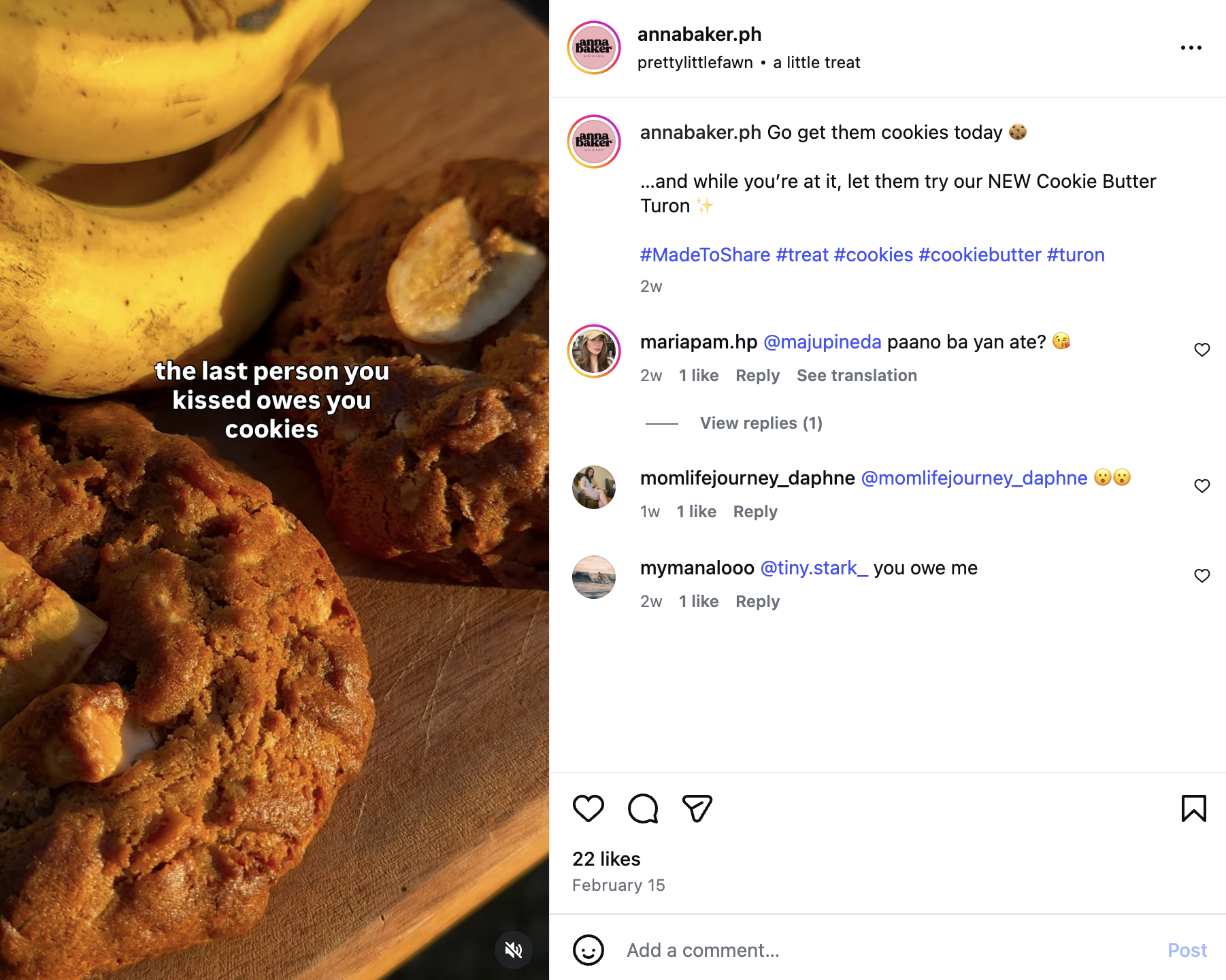
Instagram growth usually relies on a combination of discovery and relationship-building. Reels help you reach new audiences, while Stories help you build familiarity with existing followers. Keep your bio clear about who you help, your visuals consistent, and your link-in-bio pointed at your most generous offer.
Creators typically make money on Instagram through brand collaborations, Instagram affiliate marketing, Instagram subscriptions, and Instagram Shopping.
Check out more ways to make money on this platform in our guide on Instagram marketing tips.
TikTok
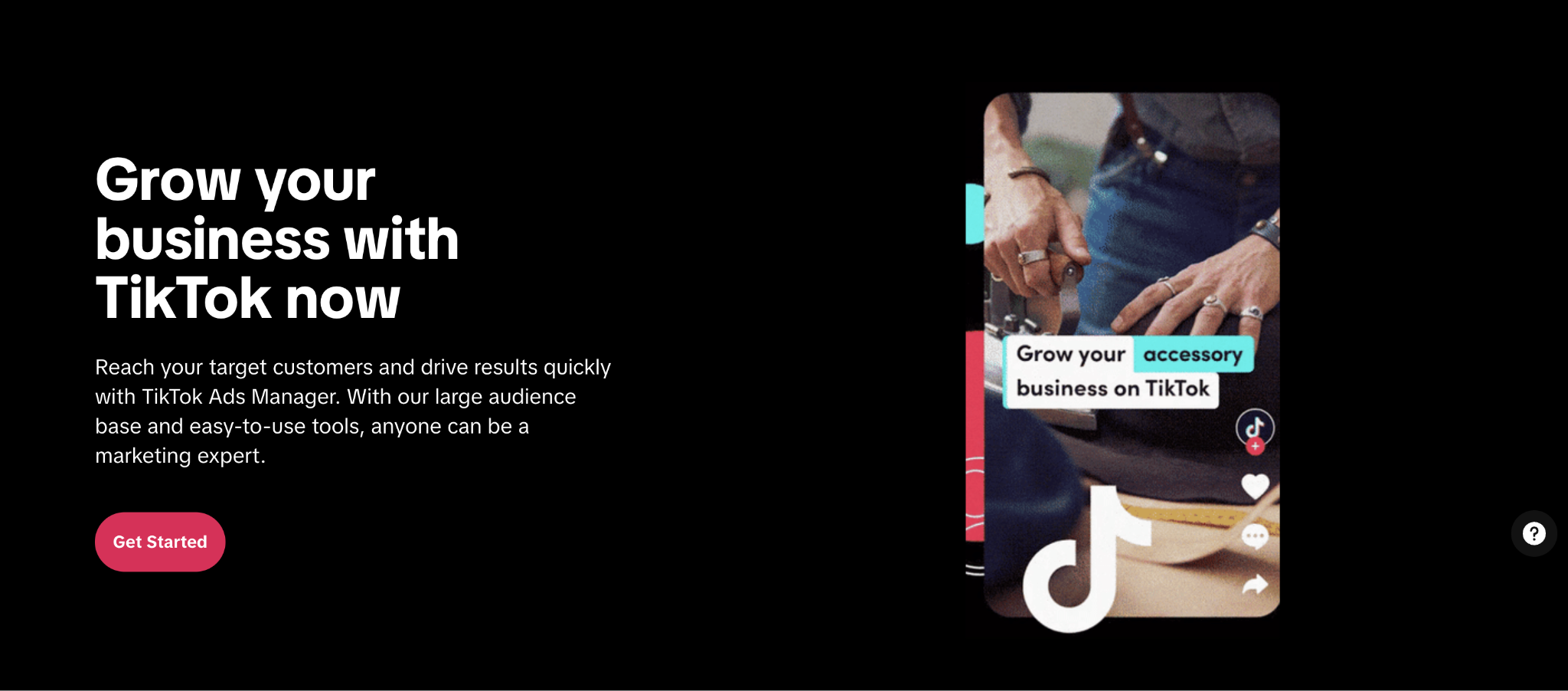
TikTok’s algorithm rewards watch time and retention above everything else, which means your hook – the first 2 seconds – determines your reach.
Start with a clear hook and keep the pacing fast to hold attention. Use trending sounds where they fit your niche, and adapt trends quickly since windows close fast.
You can make money on TikTok through the TikTok Creator Fund, TikTok Shop, brand deals, and live gifts from viewers during streams.
It’s worth noting that different TikTok monetization channels have their own eligibility requirements, such as minimum follower counts and view thresholds.
YouTube
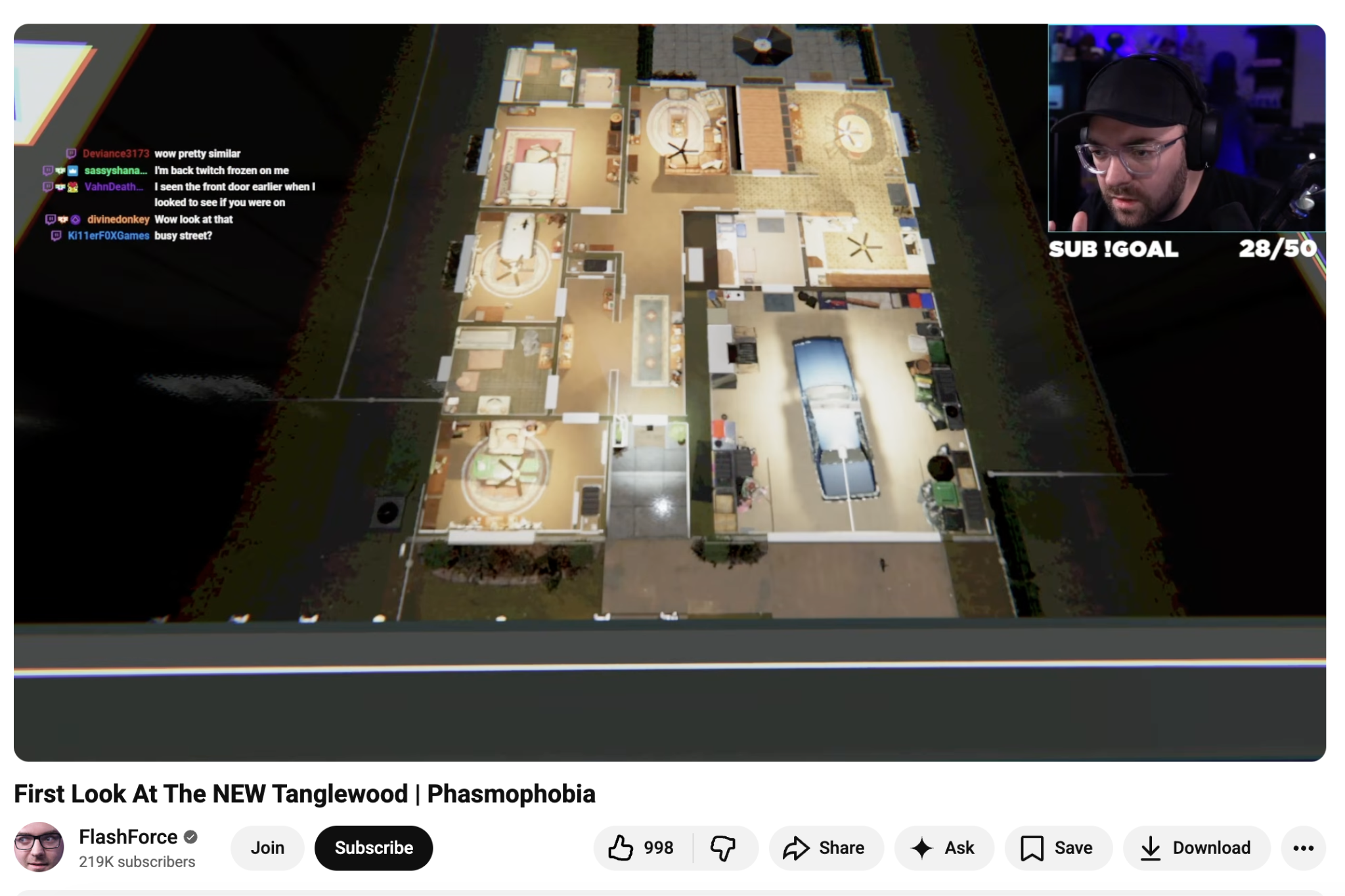
YouTube is built for evergreen content. A well-optimized video continues to earn views and ad revenue long after it is published. Focus on titles, thumbnails, and watch time to hit the YouTube Partner Program requirements – 1,000 subscribers, 4,000 watch hours.
Use YouTube Shorts for discovery, long-form for depth, and layer in memberships, Super Chats, and affiliate marketing to diversify your income.
Our YouTube monetization guide explains how ad revenue, channel memberships, and search optimization work together to generate long-term income on the platform.
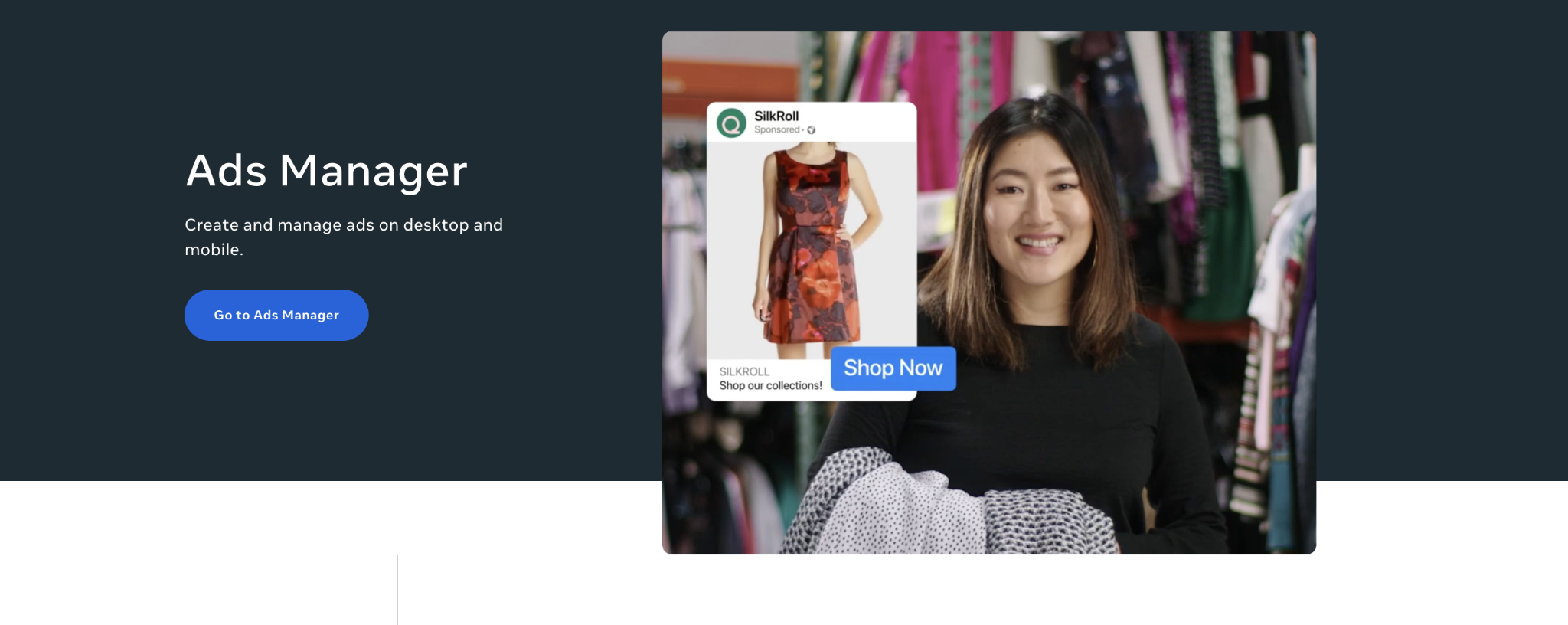
Facebook monetization works best when you build a community first. Facebook Groups help creators build trust and regular interaction with their audience.
From there, your options to earn include in-stream ads, Facebook Stars, subscription groups, and direct sales through Facebook Marketplace and Shops. Facebook Ads then let you retarget people who have already interacted with your content.
Our Facebook marketing guide covers setup requirements for each of these channels, including what you need to qualify for in-stream ads and Stars.
Pinterest functions as a visual search engine, not a social feed – which means Pinterest SEO is the core skill. Use keyword-rich titles, descriptions, and board names to rank in search results, and link every pin to a landing page, blog post, or product listing.
Pinterest affiliate marketing, Pinterest Shopping, and blog traffic are the three main ways to earn, and pins build over time rather than expiring like social posts.
A consistent Pinterest marketing strategy – fresh pins, vertical format, evergreen topics – turns the platform into a reliable source of long-term traffic and lets you sell products on Pinterest at scale.
Advanced strategies to grow your social media income
As your social media income grows, stability becomes the next priority. Income that depends entirely on one platform or occasional brand deals can change quickly if algorithms shift or partnerships end. Building assets you control, such as your own website, email list, or paid community, helps make your income more predictable.
This approach turns a personal brand into a sustainable business. Instead of focusing only on views or follower counts, successful creators guide their audience toward a specific action, such as joining an email list, downloading a resource, or purchasing a digital product.
Recurring revenue can significantly improve income stability. For example, a creator with 200 members paying ₹299 per month through a private community, newsletter, or premium content platform would generate ₹59,800 in predictable monthly revenue. Subscription-based income helps reduce reliance on unpredictable sponsorship deals or algorithm-driven reach.
Another important strategy is diversifying your income sources. Many creators combine affiliate marketing, digital products, sponsorships, and services so their income does not depend on a single platform or monetization method.
Finally, treat your social media strategy as a continuous experiment. Review your analytics regularly, identify the posts that generate the most engagement or revenue, and look for patterns in their format, topic, and posting time. Test small changes and track the results for 30–60 days before deciding which strategy works best.
Over time, this process helps creators build systems that turn their social media audience into a stable and scalable source of income.
All of the tutorial content on this website is subject to Hostinger's rigorous editorial standards and values.

Alma is an AI Content Editor with 9+ years of experience helping ideas take shape across SEO, marketing, and content. She loves working with words, structure, and strategy to make content both useful and enjoyable to read. Off the clock, she can be found gaming, drawing, or diving into her latest D&D adventure.


